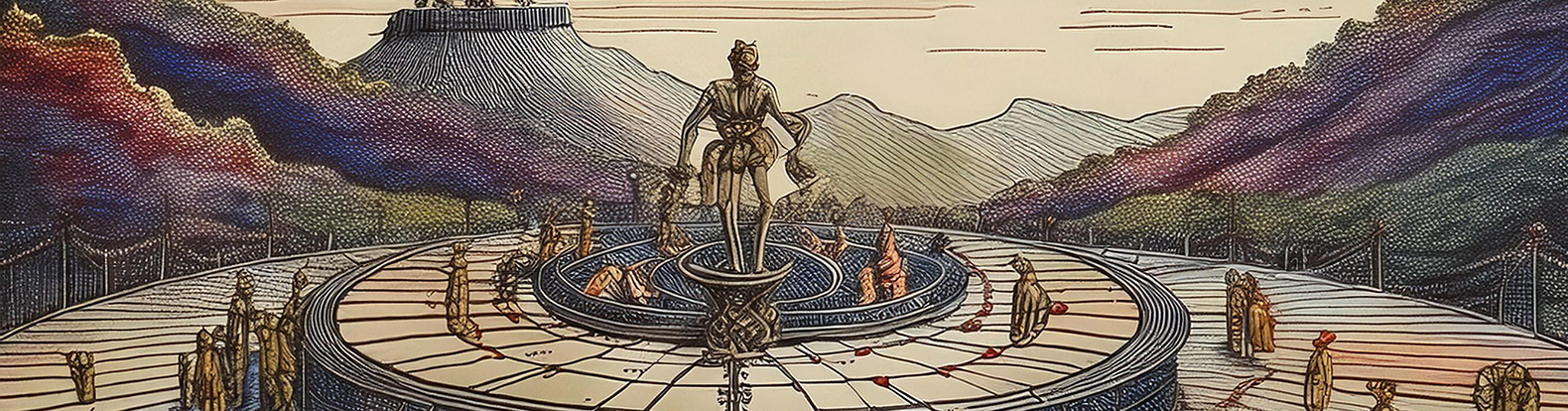
War also has nearly the same disastrous effects as the plague in a state, as much from the total destruction of some of (188) the people as from their removal and flight to foreign countries. This harm is infinitely more significant than that from the armies ravaging the fields and the towns, often destroying in one day what took several years to establish. If Princes and their ministers would always properly consider the terrible effects of war, there would not be so many unjust wars, and the differences between neighboring states would be resolved more often in friendly ways, to which they must nevertheless return after having mutually ruined and impoverished each other by war. It is a poor understanding of one’s interests to prefer the exhaustion and desolation of the people, (189) which is always certain in war, to an always uncertain and often imaginary advantage that it ought to produce. A Prince who raises and sends troops to a foreign country without needing to or who permits others to raise them in his states also does considerable harm to his wealth for the same reasons I have just noted. One usually takes the best men who are the most capable of cultivating the land and performing other functions that enrich the state: besides this, these men do not marry and do not contribute to multiplying the number of people, who are nevertheless its primary wealth.
There is another enemy, which strongly opposes this wealth, to combat in states: this is (190) debauchery or the excessive use of food and liqueur, which ruins health, accelerates death, and makes men incapable of contributing to the wealth of others. All kinds of sexual debauchery and generally everything that prevents marriages are in the same class: Princes must oppose these things with laws and by their example.
Previous Page